






























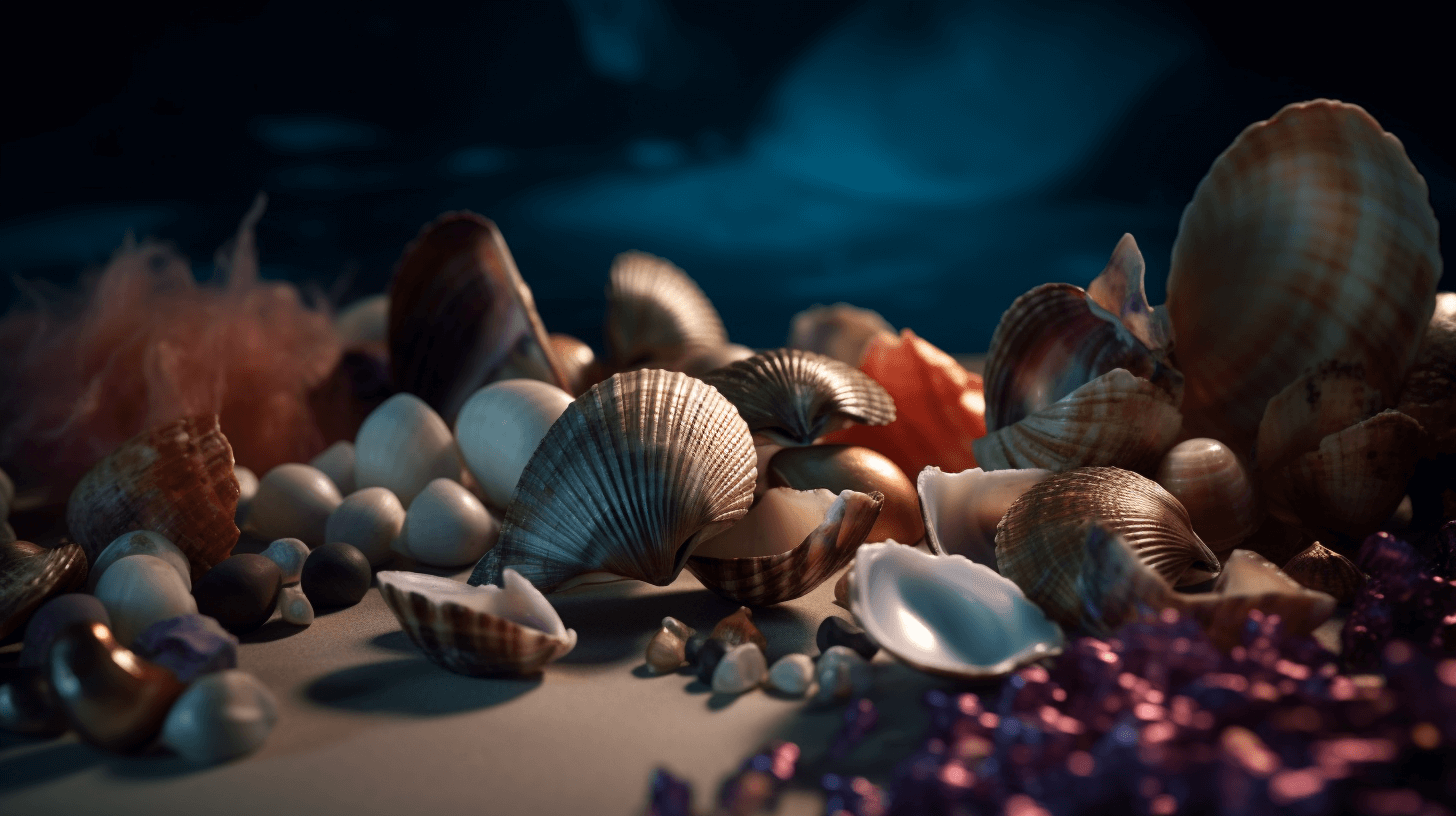
Da kine big shell collection stay up fo’ bid on Oahu, braddahs an’ sistahs. ? One ohana from St. Louis Heights wen decide fo’ let go dea massive shell collection. Judi Breisch wen say her faddah wen start bringing home all kine shells long time ago, an’ she tink get at least 10,000 items inside da collection. ?️? Some of da shells wen come from far away places like Okinawa, Japan an’ Taiwan. ????
Aftah Breisch’s faddah wen pass away, da ohana stay ready fo’ say aloha to da shells dat stay precious treasures fo’ dea ohana. ?? Judi wen share one story about one time wen she get one scar on her chin wen she wen run aftah her faddah an’ wen fall. Da kine small shell times wen hit her chin. ?♀️?? She wen say tings like dat make sorting tru da shells lil’ bit bittersweet, but same time, stay good fun fo’ see ’em all again. ?
Judi wen add, “Our ohana collected ’em, love ’em, an’ enjoy ’em. An’ I stay happy tinkin’ dat get oddah peopo who goin’ enjoy ’em too.” ❤️? Fo’ find out moa about da auction, check out dis link: https://ctbids.com/estate-sales/honolulu-hi/. Da bidding goin’ end on Thursday, April 13, so no miss out on dis chance fo’ own one piece of da shell collection legacy. ?️??
“Conch Shell Kine ? Scientific name: Strombus gigas Stay in: Caribbean Sea, Gulf of Mexico, an’ da Atlantic coast of Florida ? Details: Big, spiral-shaped shell, often used fo’ make trumpet ?
Sand Dollar Kine ? Scientific name: Clypeasteroida Stay in: Northern Hemisphere, near da low-watah mark in sandy or muddy areas ?️ Details: Flat, round, an’ disk-like shell, often get one five-pointed star pattern ⭐
Shell Kine Stuffs Fo’ Check Out ??️?
- Cowrie Shell Kine ? Scientific name: Cypraea Stay in: Tropical an’ subtropical watas worldwide ? Details: Smooth, shiny, an’ egg-shaped shell wit one small opening on da underside ?
- Scallop Shell Kine ? Scientific name: Pectinidae Stay in: Worldwide, in shallow watas an’ sandy seafloors ?️ Details: Fan-shaped shell wit ribbed surface, often used as one symbol fo’ pilgrims ?
- Nautilus Shell Kine ? Scientific name: Nautilidae Stay in: Indo-Pacific Ocean at depths of 300-600 meters ? Details: Spiral, chambered shell wit one smooth exterior ?
- Abalone Shell Kine ? Scientific name: Haliotis Stay in: Warm watas along da coasts of California, Mexico, South Africa, Australia, an’ New Zealand ?️ Details: Flat, oval-shaped shell wit one highly iridescent interior ✨
- Cockle Shell Kine ? Scientific name: Cardiidae Stay in: Worldwide, in shallow watas an’ sandy or muddy seafloors ? Details: Round, heart-shaped shells wit distinct radial ribs ?
- Clam Shell Kine ? Scientific name: Bivalvia Stay in: Freshwatah an’ saltwatah habitats worldwide ? Details: Two-part hinged shell, often used fo’ making jewelry or decorations ?
- Murex Shell Kine ? Scientific name: Muricidae Stay in: Tropical an’ subtropical watas worldwide ? Details: Spiral shell wit plenty spines or fronds, used in ancient times fo’ make purple dye ?
- Olive Shell Kine ? Scientific name: Olividae Stay in: Tropical an’ subtropical watas worldwide ?️ Details: Smooth, elongated, an’ glossy shell wit one narrow, slit-like opening ?”
NOW IN ENGLISH
Hawaii Family’s Massive Shell Collection Up For Sale, Featuring Shells From Across The Globe ??
A unique shell collection is up for bid on Oahu. A family from St. Louis Heights has decided to sell their enormous shell collection. Judi Breisch said her father started bringing the shells home decades ago and estimated there were at least 10,000 items in the collection – some from as far away as Okinawa, Japan, and Taiwan. ????
After Breisch’s father passed away, the family is ready to say goodbye to the shells that have been beloved treasures to their ohana. ?? Judi shared a story about getting a scar on her chin when she was running after her father and fell, with the small shells hitting her chin. ?♀️?? She said that experiences like that made sorting through the shells a little bittersweet, but at the same time, it was a lot of fun to see them all again. ??
Judi added, “Our family collected them, loved them, and enjoyed them. And I am happy thinking that there are other people who will be able to enjoy them too.” ❤️? To find out more about the auction, visit this link: https://ctbids.com/estate-sales/honolulu-hi/. The bidding will end on Thursday, April 13, so don’t miss out on this opportunity to own a piece of the shell collection legacy. ?️??
“Conch Shell Type ? Scientific name: Strombus gigas Found in: Caribbean Sea, Gulf of Mexico, and the Atlantic coast of Florida ? Details: Large, spiral-shaped shell, often used as a trumpet ?
Sand Dollar Type ? Scientific name: Clypeasteroida Found in: Northern Hemisphere, near the low-water mark in sandy or muddy areas ?️ Details: Flat, round, and disk-like shell, often with a five-pointed star pattern ⭐
Intriguing Shells to Discover ??️?
- Cowrie Shell Type ? Scientific name: Cypraea Found in: Tropical and subtropical waters worldwide ? Details: Smooth, shiny, and egg-shaped shell with a small opening on the underside ?
- Scallop Shell Type ? Scientific name: Pectinidae Found in: Worldwide, in shallow waters and sandy seafloors ?️ Details: Fan-shaped shell with ribbed surface, often used as a symbol for pilgrims ?
- Nautilus Shell Type ? Scientific name: Nautilidae Found in: Indo-Pacific Ocean at depths of 300-600 meters ? Details: Spiral, chambered shell with a smooth exterior ?
- Abalone Shell Type ? Scientific name: Haliotis Found in: Warm waters along the coasts of California, Mexico, South Africa, Australia, and New Zealand ?️ Details: Flat, oval-shaped shell with a highly iridescent interior ✨
- Cockle Shell Type ? Scientific name: Cardiidae Found in: Worldwide, in shallow waters and sandy or muddy seafloors ? Details: Round, heart-shaped shells with distinct radial ribs ?
- Clam Shell Type ? Scientific name: Bivalvia Found in: Freshwater and saltwater habitats worldwide ? Details: Two-part hinged shell, often used for making jewelry or decorations ?
- Murex Shell Type ? Scientific name: Muricidae Found in: Tropical and subtropical waters worldwide ? Details: Spiral shell with numerous spines or fronds, used in ancient times to create purple dye ?
- Olive Shell Type ? Scientific name: Olividae Found in: Tropical and subtropical waters worldwide ?️ Details: Smooth, elongated, and glossy shell with a narrow, slit-like opening ?”