


























Da new study wen find dat Molokini islet stay gettin’ too much action, yeah? Da popular snorkeling spot off Maui get plenny kine marine life, but need mo’ management fo’ keep da ecosystem healthy an’ da visitor experience ono. ??
Most of da research fo’ da study wen happen during da COVID lockdown in 2020, wen snorkeling an’ SCUBA tours stay zero. Da study wen show dat Molokini, jus’ like Hanauma Bay on Oahu, stay gettin’ mo’ healthy wit less humans around. ??
Da scientists wen conduct SCUBA surveys fo’ see da different fish species, how many, how big, an’ wea dey stay. Dey also wen track da big predator kine wit electronic tags. ??
Da study wen find dat, during da lockdown, some fish species dat no stay in da shallow parts cuz of da snorkelers wen come back, making da number an’ size of da fish go up, an’ get mo’ big predator kine too. ?♂️?
Da main kine fish dat wen go up in number during da lockdown stay da fast-swimming predatory fishes called jacks, or bluefin trevally, or omilu. But wen da tourists come back, da jacks wen move to deepa water, an’ da fish biomass an’ habitat use wen go back to befo’ lockdown levels. ??
Da study wen say dat da state should manage da pressures on Molokini’s ecosystem by limiting da number of snorkelers at da same time. ??♀️
Mo’ than two-tirds of da visitors to Molokini wen feel crowded during dea trip an’ like see less people ova dea. So, as Hawaii stay figgah out how fo’ manage da marine life, da lessons from Molokini can help. ??
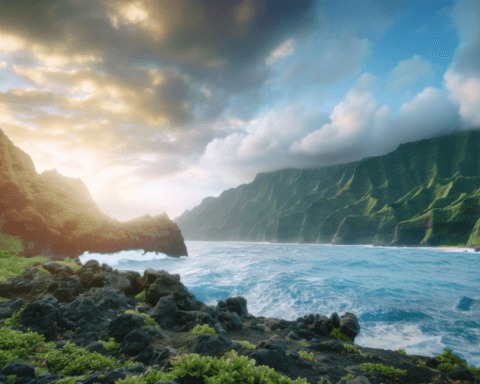
Molokini, which stay bout tree miles west of Makena, Maui, wen get designated as one “no-take” marine life conservation district in 1977. Da tour operators wen work wit da state on plenny kine rules fo’ protect da ecosystem. ??
Da study stay one good reminder fo’ tink bout how fo’ make da most of tourism in Hawaii witout hurting da environment. ??
NOW IN ENGLISH
?? Molokini Overuse: Marine Life Struggling ??️
A new study reveals that Molokini islet, a popular snorkeling destination off Maui, is being overused. The marine life in the area requires better management to maintain a healthy ecosystem and provide a great visitor experience. ??
Much of the research for the study took place during the COVID lockdown in 2020 when snorkeling and SCUBA tours were almost nonexistent. The study found that, similar to Hanauma Bay on Oahu, Molokini became healthier with fewer humans around. ??
The scientists conducted SCUBA surveys to examine fish species, their abundance, size, and location. They also tracked the movement of predatory species using electronic tags. ??
The study found that during the lockdown, some fish species that had been driven away from shallow areas by snorkelers returned, increasing the number and size of fish as well as the proportion of larger predators. ?♂️?
The primary species that drove the increase during the lockdown were fast-swimming predatory fishes known as jacks, also known as bluefin trevally or omilu. When tourism resumed, the jacks moved to deeper waters, and the fish biomass and habitat use returned to pre-pandemic levels. ??
The study suggests that the state should manage pressures on Molokini’s ecosystem by limiting the number of snorkelers at the same time. ??♀️
More than two-thirds of visitors to Molokini felt crowded during their trip and supported actions that would reduce visitor numbers. So, as Hawaii develops marine management plans, lessons from Molokini can help. ??
Molokini, located about three miles west of Makena, Maui, was designated as a “no-take” marine life conservation district in 1977. Tour operators have worked with the state on several measures to limit pressures on the ecosystem. ??
The study serves as a good reminder to consider how to optimize tourism in Hawaii without damaging the environment. ??