
























Big kine milestone coming up fo da biggest public works project in da state’s history, brah! Da Honolulu Mayor, Rick Blangiardi, wen spill da beans on Wednesday dat da first phase of da city’s almost $10 billion rail transit system goin’ start taking passengers at 2 p.m. on June 30. ???️
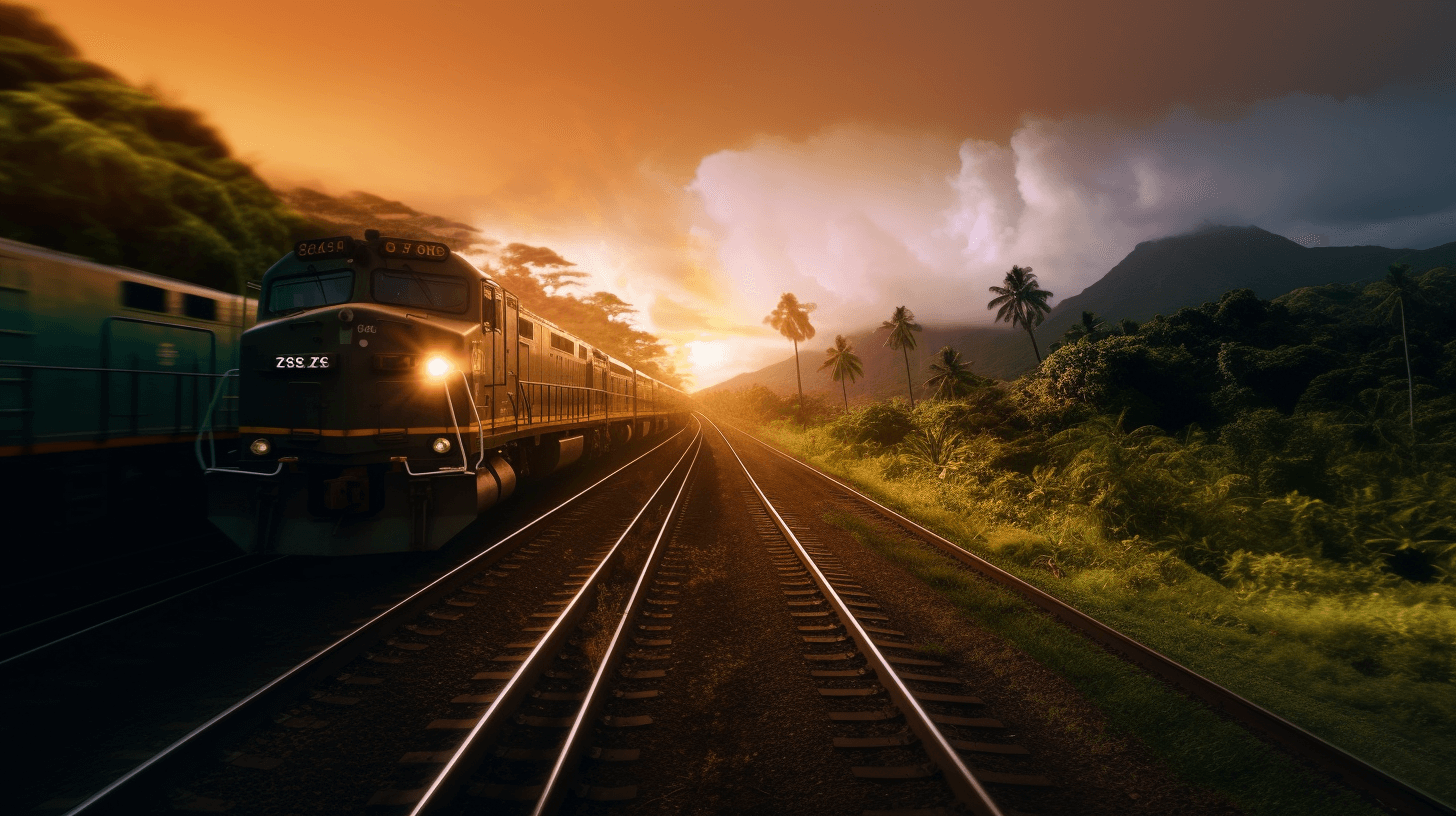
On dat day an’ time, da public going score free rides on top da Hitachi Rail’s no-need-driver, all-electric trains — one train with four cars can pack 700 people inside — on top da first 11-mile stretch, from da Kualakai Station in East Kapolei to da Halawa Station near Aloha Stadium. ?? Same day, dey going get one big party — with all kine important peeps and entertainment — going happen at da Halawa Station, da city wen say. ?
Da service to more stations more east on da line — still getting built by Honolulu Authority for Rapid Transportation an’ its workers — supposed to start in stages, with da final construction pau by 2031. ?⏳
Da Mayor wen go all out, even though befo he wen say during his State of da City talk on March 14 dat da rail line supposed to start operations by July. ?️?
During one news conference at da line’s Halawa Station on Wednesday, Blangiardi wen say da rail line was “actually ahead of schedule.” Dis wen make all da city and rail guys who was there clap hands. ??
“Let’s get ready to ride!” City Council Chair Tommy Waters wen shout, an’ everybody wen cheer. “Ladies and gentlemen, get your HOLO card, it’s possible — it’s clean, it’s safe, it’s efficient an’ den you go.” After, Waters wen mahalo da mayor, city workers an’ HART for “promises kept.” ??
HART Executive Director an’ CEO Lori Kahikina wen say mahalo to da city, state and federal guys for their support of da rail project since she wen take over in 2021. She also wen talk story ’bout da hard parts of da project, like fixing small kine cracks to T-shaped concrete supports — known as hammerheads — dat was found in 2018 on top da columns used to support individual rail stations. ??
Roger Morton, who in charge of da city’s Department of Transportation Services, wen say da city’s rail line has been more than 50 years in da making. He wen say, “Some people measure this from 2011, myself, I go back to 1968 with da Oahu Transportation Plan which essentially put a rail system on the books so that they could serve people on the west side. Because even back then they knew the west side was going to keep growing and the freeway capacity was not going to be here, and this is really part of a promise that is being made today … the first part of the promise is to provide people with an alternative way to get to work very quickly.” ??️?
As far as how many peeps going ride da rail and easing traffic on island roads, Blangiardi wen say da trains going be one mark of efficiency. “Da trains are going to come every 10 minutes,” he wen say. “An’ from East Kapolei to Aloha Stadium is a 21-minute ride.” ??
Da Mayor wen add dat da first phase going carry ’bout 10,000 riders a day to Aloha Stadium, an’ as da rail line keep going eastward — past Joint Base Pearl Harbor-Hickam, da airport an’ on into downtown — dat ridership numbers should go up. ?️?
“Den by da time we get to Middle Street, it will jump to ’bout 25,000 riders a day and den when we get to full service, somewhere in da latter part of da decade, it will be ’bout 85,000 a day and everything has been mapped out dat way,” he wen say. ?️?
Still, Blangiardi wen say he no going talk story ’bout how many cars going get off da road cause of da rail. “I’m not going to make any predictions on cars off da road; dis is a place where we get more cars registered than (actual) residents,” he wen say, “but for those people who choose to take da rail, dis is going to be a very efficient means from getting from one place to da other and it’s only going to increase dat way as time goes on.” ???
Meanwhile, all rides on top da new rail system going be free for da whole opening weekend, a period from 2 p.m. June 30, da day da system opens, until da last train runs Tuesday, July 4. Plus, TheBus also going let everybody ride for free between July 1 an’ 4, da city says. ???
Also, between 2 and 6 p.m. on June 30, rail passengers going be welcome fo tour any of da nine stations dat going be open for service and jump on any train, any direction, no need pay, according to da city. Da fare gates going be open to all riders until service ends at 6 p.m. dat day. ?⌚?
Starting July 1, da first full day of rail service, passengers gotta have one valid HOLO card — used as da fare payment method for TheBus and going serve as da main payment method for rail too — in order to take advantage of da free fare service. Riders going need to tap their HOLO cards at fare gates to enter individual stations, but fares no going be deducted from those cards, da city says. ????
NOW IN ENGLISH
?? Free Rides on The Honolulu Rail for The June 30 Launch
A significant milestone is approaching for the largest public works project in the state’s history! The Honolulu Mayor, Rick Blangiardi, announced on Wednesday that the first phase of the city’s nearly $10 billion rail transit system will start taking passengers at 2 p.m. on June 30. ???️
On that day and time, the public will get free rides on Hitachi Rail’s driverless, all-electric trains — a train with four cars can hold up to 700 people — on the first 11-mile stretch, from the Kualakai Station in East Kapolei to the Halawa Station near Aloha Stadium. ?? The same day, there will be a big celebration — with important guests and entertainment — happening at the Halawa Station, the city announced. ?
The service to more stations further east on the line — still under construction by the Honolulu Authority for Rapid Transportation and its workers — is expected to start in stages, with the final construction completed by 2031. ?⏳
The Mayor went all out, even though he previously stated during his State of the City address on March 14 that the rail line was supposed to start operations by July. ?️?
During a news conference at the line’s Halawa Station on Wednesday, Blangiardi said the rail line was “actually ahead of schedule.” This caused all the city and rail personnel present to applaud. ??
“Let’s get ready to ride!” City Council Chair Tommy Waters shouted, and everyone cheered. “Ladies and gentlemen, get your HOLO card, it’s possible — it’s clean, it’s safe, it’s efficient and then you go.” Afterwards, Waters thanked the mayor, city workers and HART for “promises kept.” ??
HART Executive Director and CEO Lori Kahikina thanked the city, state and federal officials for their support of the rail project since she took over in 2021. She also discussed the challenges of the project, like fixing minor cracks to T-shaped concrete supports — known as hammerheads — that were found in 2018 on the columns used to support individual rail stations. ??
Roger Morton, who heads the city’s Department of Transportation Services, said the city’s rail line has been more than 50 years in the making. He said, “Some people measure this from 2011, myself, I go back to 1968 with the Oahu Transportation Plan which essentially put a rail system on the books so that they could serve people on the west side. Because even back then they knew the west side was going to keep growing and the freeway capacity was not going to be here, and this is really part of a promise that is being made today … the first part of the promise is to provide people with an alternative way to get to work very quickly.” ??️?
Regarding how many people will ride the rail and the impact on traffic on island roads, Blangiardi said the trains will be a symbol of efficiency. “The trains are going to come every 10 minutes,” he said. “And from East Kapolei to Aloha Stadium is a 21-minute ride.” ??
The Mayor added that the first phase will transport about 10,000 riders a day to Aloha Stadium, and as the rail line continues eastward — past Joint Base Pearl Harbor-Hickam, the airport and into downtown — that ridership numbers should increase. ?️
? As the rail line proceeds eastward — past Joint Base Pearl Harbor-Hickam, the airport, and into downtown — the number of riders is expected to rise.
By the time we reach Middle Street, it will jump to about 25,000 riders a day and then when we get to full service, somewhere in the latter part of the decade, it will be about 85,000 a day and everything has been planned that way,” he said. ?️?
However, Blangiardi did not want to speculate on how many cars the rail service would remove from the roads. “I’m not going to make any predictions on cars off the road; this is a place where we have more cars registered than actual residents,” he said, “but for those people who choose to take the rail, this is going to be a very efficient means of getting from one place to the other and it’s only going to increase that way as time goes on.” ???
In the meantime, all rides on the new rail system will be free for the entire opening weekend, a period from 2 p.m. June 30, the day the system opens, until the last train runs Tuesday, July 4. Additionally, TheBus will also allow everyone to ride for free between July 1 and 4, the city says. ???
Also, between 2 and 6 p.m. on June 30, rail passengers will be welcome to tour any of the nine stations that will be open for service and jump on any train, any direction, without needing to pay, according to the city. The fare gates will be open to all riders until service ends at 6 p.m. that day. ?⌚?
Starting July 1, the first full day of rail service, passengers will need a valid HOLO card — used as the fare payment method for TheBus and will serve as the main payment method for rail too — in order to take advantage of the free fare service. Riders will need to tap their HOLO cards at fare gates to enter individual stations, but fares will not be deducted from those cards, the city says. ????”